


I can do all things through Christ who strengthens me

The Art of Pacing: A Proven Approach to Moving Forward through Chronic Pain

Living with chronic pain is a daily struggle that often demands much more than we feel we have to give. Managing pain is considerably more than just having physical stamina and strength-it calls for emotional resilience, strategic planning, and deep self-compassion. One of the most effective yet overlooked ways to navigate life with persistent pain is through a concept called pacing. Pacing is a game-changer for daily life with chronic pain! Pacing isn’t about giving up, slowing down, or throwing in the towel permanently—even though we might feel like it. It’s so much more than that… It’s about learning the best way to keep going amidst pain in a graceful, thoughtful way that respects and honors your body’s limits while simultaneously protecting your energy over time.

What Exactly is Pacing?

Pacing is a wonderful tool and strategy that helps us manage chronic pain by balancing activity and rest.
Pacing strategically with chronic pain closely resembles that of the pacing a marathon runner employs.
A runner knows they can’t sprint and go full steam ahead the whole race, or they will run out of energy and collapse before reaching the finish line.
Therefore, they wisely and carefully conserve their energy for the long miles ahead-just like those of us with pain must balance rest and activity to avoid flare-ups.
Small adjustments, like walking breaks for a runner or short rests for someone with chronic pain, keeps the journey manageable, doable, and successful.

Instead of pushing through pain (which can lead to flare-ups) or avoiding all activity (which can lead to stiffness, fatigue, and isolation)… pacing offers a beautiful middle ground.
It’s all about doing what you can when you can.
Quite simply, the pacing formula is:
Gradually and strategically increasing activity + thoughtful and mindful rest = A more pain-managed life!

Pacing involves:
~Planning and scheduling activities ahead of time
~Breaking up tasks and chores into manageable steps
~Taking rest breaks before pain increases
~Listening to your body and adjusting as needed

Why Pacing Matters

For those of us living with chronic pain, it’s easy to fall into a “boom and bust” cycle.
Here’s what that looks like…
On a good day, you might try to do everything you’ve been putting off-only to crash the next day (or several days) and find yourself unable to move due to increased pain.
This cycle can leave you feeling defeated, frustrated, and wanting to give up.
The Art of Pacing helps interrupt that pattern and gives us a helpful way to get off that frustrating roller coaster we find ourselves on.
It also allows us to stay more consistent over time, which leads to better function, improved mental health, and fewer setbacks.
Pacing also interrupts the unhealthy patterns we find ourselves in by building boundaries before we reach our limits.
Over time, integrating the strategy of pacing helps with:
~Fewer flare-ups
~More consistent energy
~Better quality of life
~A greater sense of control over pain

How to Practice Pacing

Here are five effective and easy ways to start the practice of pacing in your everyday life:

1. Set Realistic Goals    

Unfortunately, in our society today, busyness is often seen as a badge of honor. The busier we are, the more false importance and self-worth we assume we have in other people’s eyes.

Let’s buck that perception-starting now (in fact, let’s work on releasing the hold others’ opinions have on us and focus on doing what’s best for us and our own health)!

2. Instead of trying to tackle a long to-do list, choose 1-2 priorities to check off per day.

3. Don’t prioritize quantity of tasks-focus on quality.

4. Let your wins be small and manageable yet meaningful.     

This way of thinking can seem frustratingly alien at first, especially when historically you were able to accomplish and do more in a much shorter amount of time.

5. Try to stay grounded in the present, focused on the here and now.     

This will help to avoid the temptation of comparing your current state to that of the past—or worse, what others are doing.

~Celebrate and be proud of what you CAN accomplish-not what you can’t.
You are doing great!!

Use a Timer

This is an amazing tool to keep you honest and on the straight and narrow in the game of pacing!
Setting a timer helps keep your pain managed and controlled by not letting you lose track of time and unintentionally overdoing it.
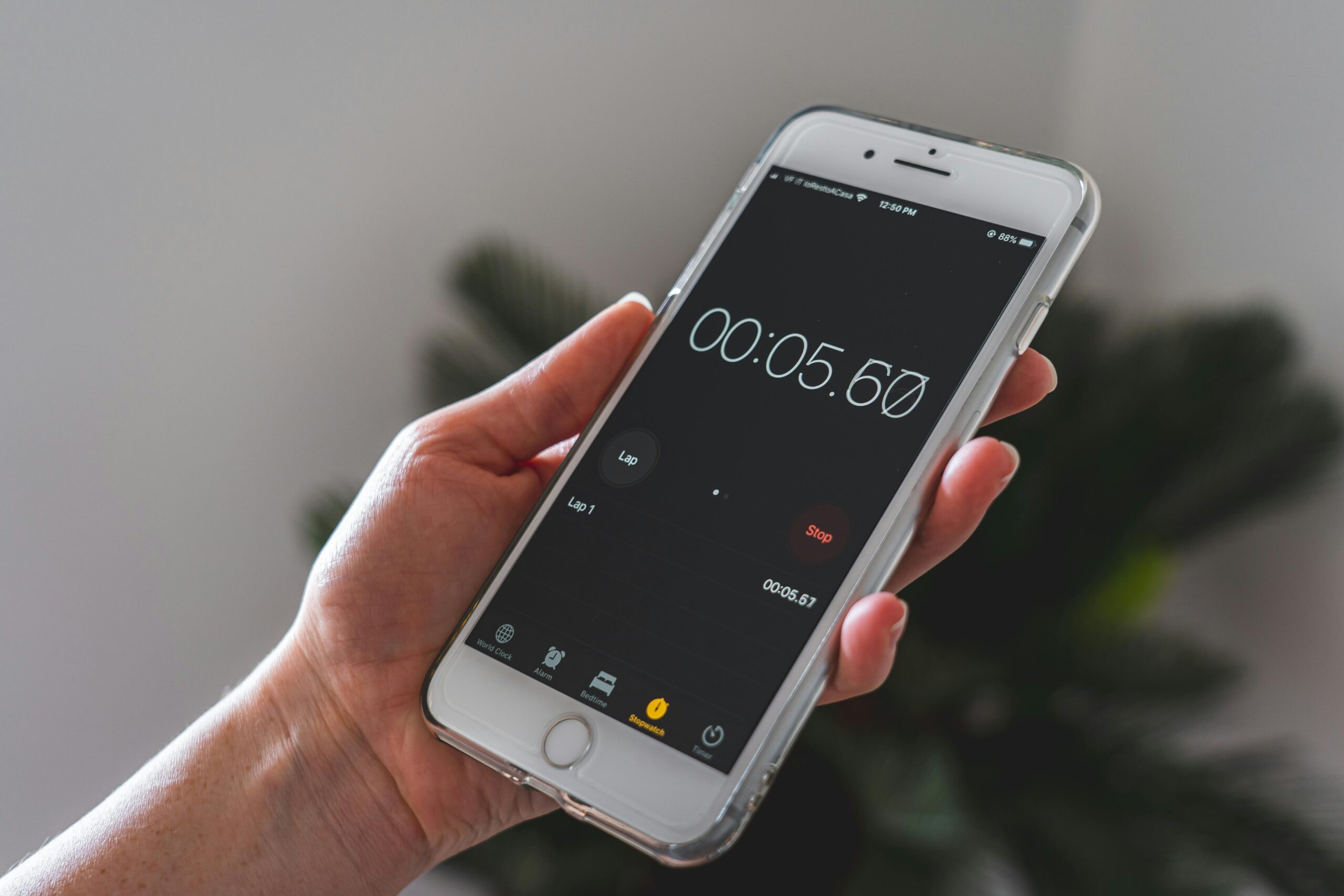
Here is an example of how pacing through pain works…

Set the timer for 10-20 minutes and get up and going.
When the timer goes off-stop!
Now set the timer for 10-20 minutes and rest.
It may not sound like a lot of time, but when you’re dealing with pain—trust me, it is!
What can I get done in 10-20 minutes (You may ask)?
I am here to tell you.. A LOT!!
When you plan ahead a little and have a strategy of what you want to get accomplished in that time frame, you will surprise yourself.
Play around with these time chunks and determine what works for you.
It takes a little practice, but you will figure out that sweet spot that works for you!

Track Your Energy

Keep a simple log or journal of what you do, how long you spend doing it, and how you feel afterward.
Patterns will start to emerge, helping you pace more effectively.

Give Yourself Grace

Keep in mind, pacing is a long game, and some days will go better than others.
That is totally okay!
There is a huge learning curve when figuring out how pacing looks for you.
The goal isn’t perfection-it’s about consistent and sustainable progress.

Final Thoughts

Pacing isn’t about doing less, giving up, or being unproductive. It’s about doing life with more compassion, more wisdom, more thoughtfulness, and more steady consistency. It’s about choosing to walk at the speed of healing-slow, intentional, and full of grace. You don’t have to-and shouldn’t- race through pain. Just like the marathon runner, in the end, it isn’t about speed-its about endurance, resilience, and finishing the day-to-day race on your own terms. You’re allowed to move gently, listen deeply to the needs/cues of your body, as well as thoughtfully and intentionally showing up for your life… one paced step at a time. Rewriting pain together,

Kiki

Type Your Keywords:

Type Your Keywords: